

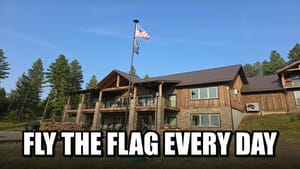
I am writing today on a topic that I have been saying for over 30 years. We should fly our flags every day, not just the 4th of July. I have 3 flags on flag poles and one flag wrap on the back of my truck. Hopefully, the info below will inspire you to fly a flag.
What's In This Guide
In this guide: How I Got Started Flying 365 · What the Flag Code Actually Says · The Gear I Have Tested (and What Lasted) · Where I Fly (Both Homes, the Office, the Ranch Truck) · Modern Etiquette: Half-Staff, Weather, Lighting · What the Veterans Organizations Say · The Fourth of July Test · Bottom Line
How I Got Started Flying 365
I have been flying the flag 365 days a year for the better part of three decades. I am not a veteran. I have never worn the uniform. I am a regular American — small-business owner, hobby rancher, ham radio operator, husband to Cheryl for 37 years, dad to two boys, and current handler of two dogs who would like me to get on with breakfast. My authority here is not military service. It is love of country, gratitude for the people who did serve, and a lot of time outside looking up at the same piece of cloth from a lot of different porches.
My flag habit started the way a lot of flag habits start — with a piece of cheap hardware from a hardware store and a piece of cloth that did not survive the first winter. I bought a 3x5 cotton flag at the farm store in 1996, put it on a house-mount bracket on the front porch of our first place, and watched it shred itself inside of six months. Cotton is fine for ceremonial or indoor display. Outside, in a place that gets hard wind, it is a one-season purchase.
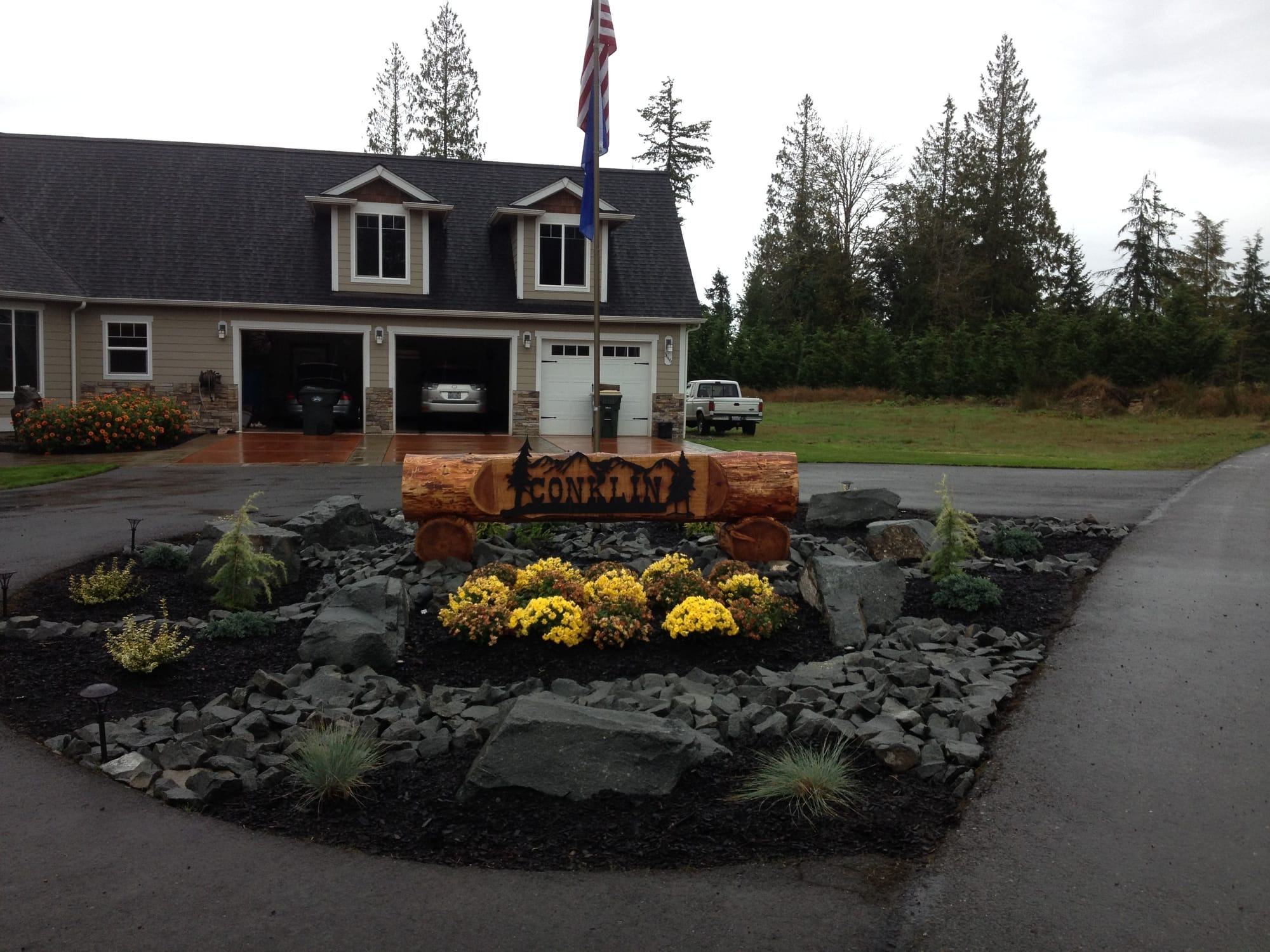
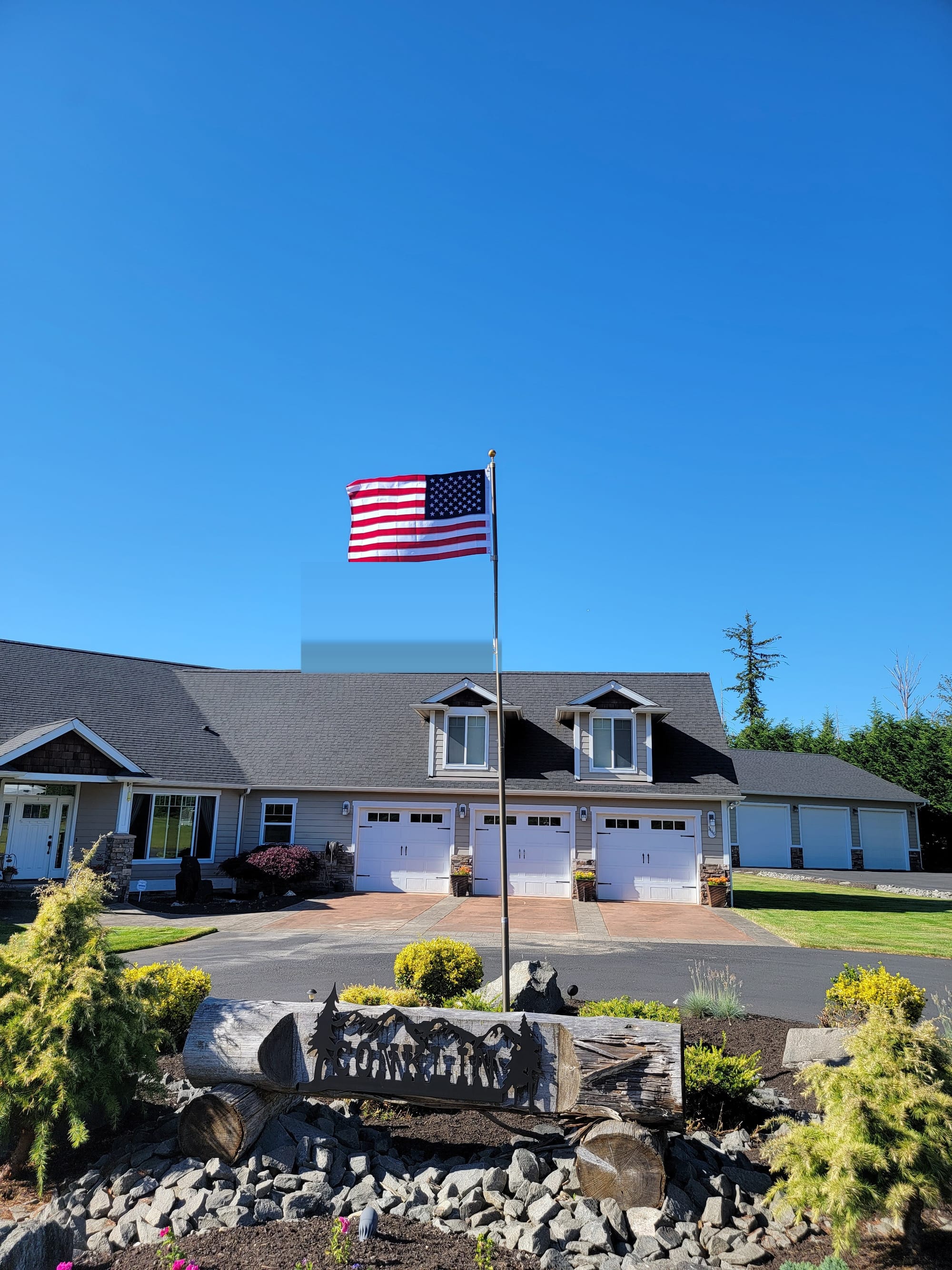
The left picture was 12 years ago when we installed the flower bed and flagpole, the right is 12 years later, same pole, no issues
These pictures are from our Olympia house, where our first flagpole was installed 12 years ago. The left picture is when we installed the new flower beds and flagpole and the right is a recent photo. It's a 20ft telescoping pole, with the stars and stripes on top. On this one we don't have a LED light ring at the top, so we beam up a light from the bed area that comes on and stays on all night.
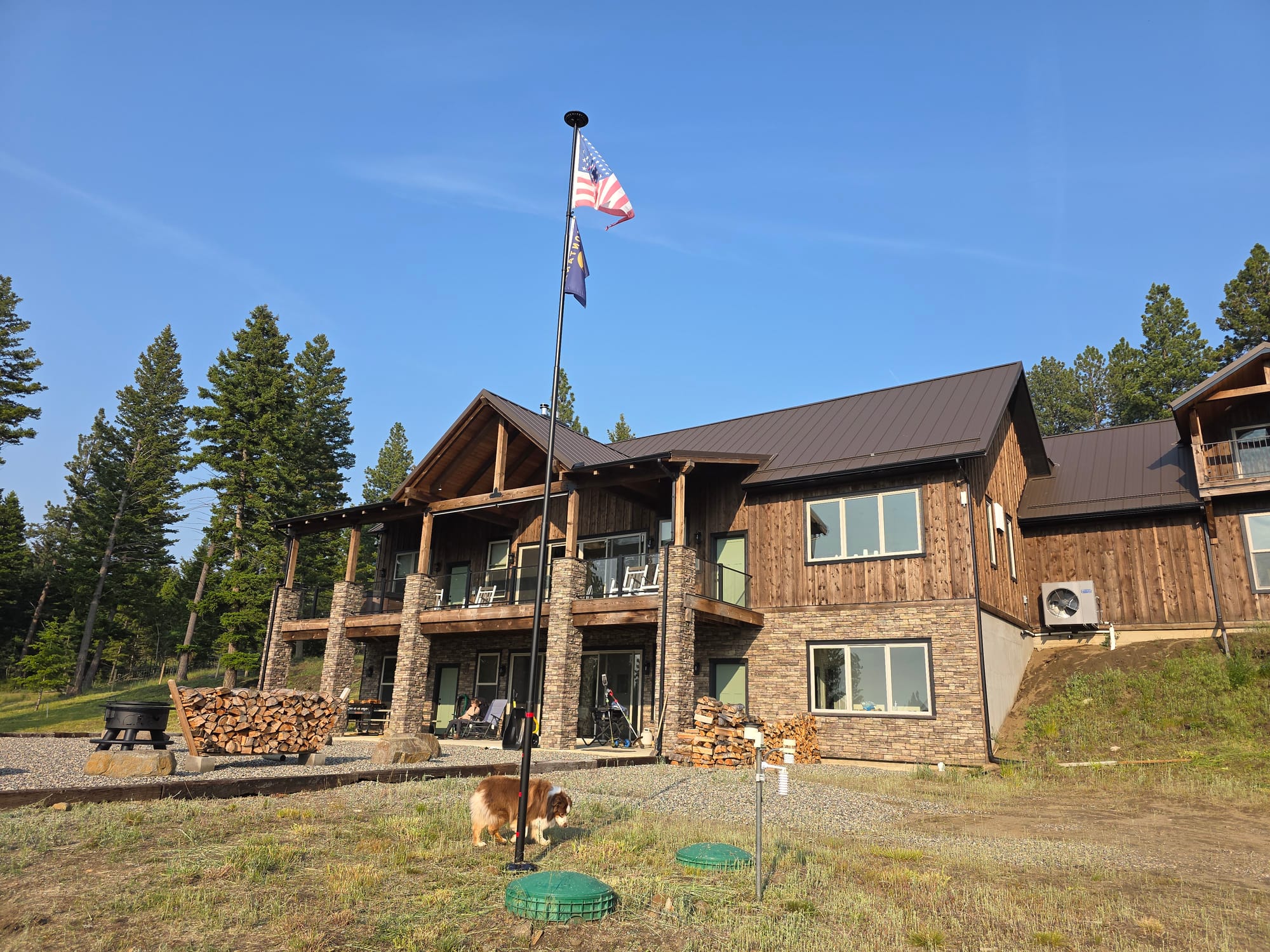
The title picture above is the ranch home in Montana. Twenty-foot telescoping flagpole. Stars and Stripes catching the morning wind about a foot and a half below the LED light ring on top. This pole was installed 2 years ago, and we get about 2 years of life on this flag because of the extreme wind and weather at 5400 ft elevation. The flagpole itself has held up great, note the 4 red rings around the bottom, this is for snow measurement, one per foot!
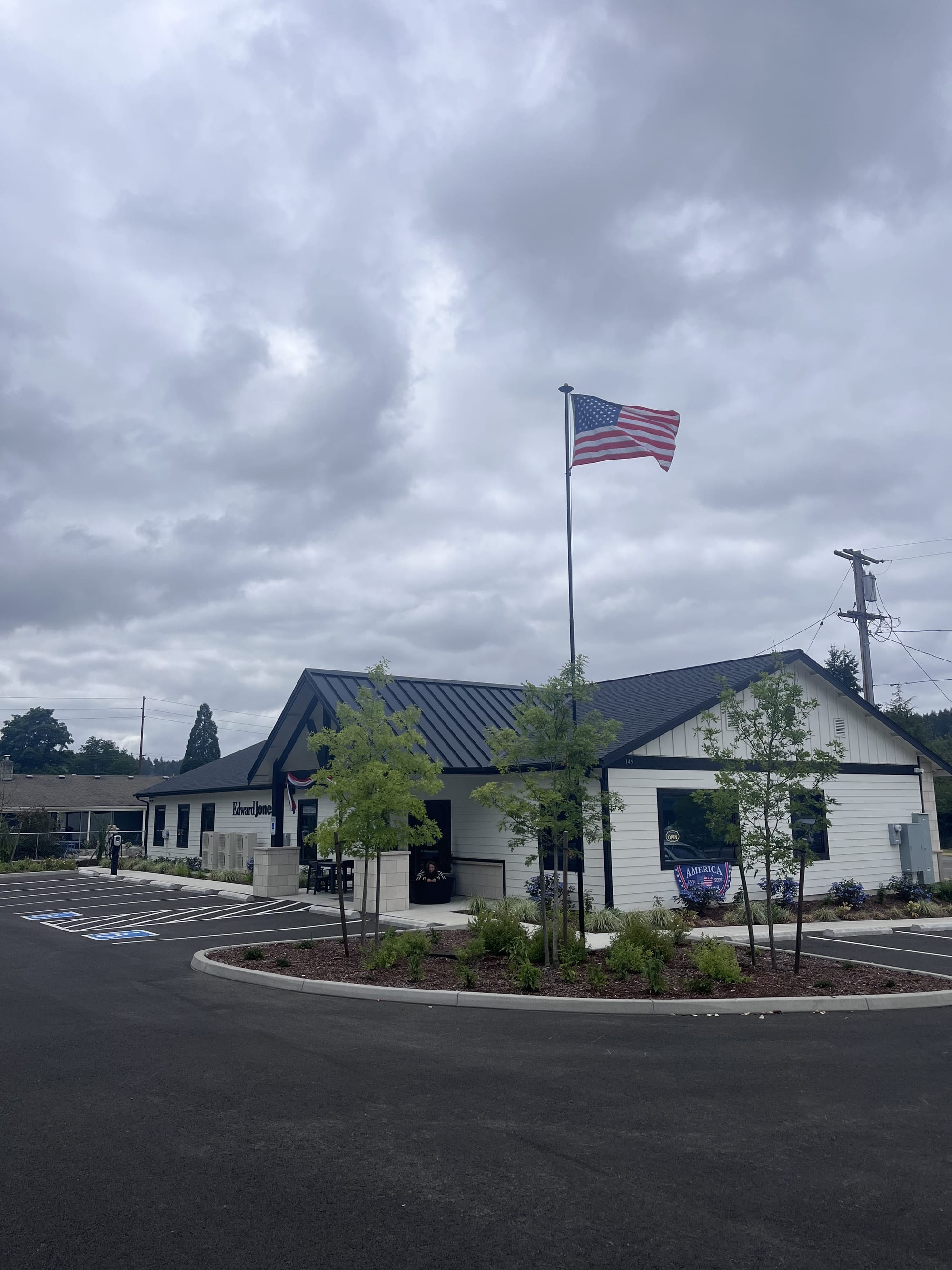
This one is the newest, installed at our new office building last week. Its a telescoping 30 ft pole but has the traditional rope for lowering and raising the flag. Again, a LED light ring at the top.
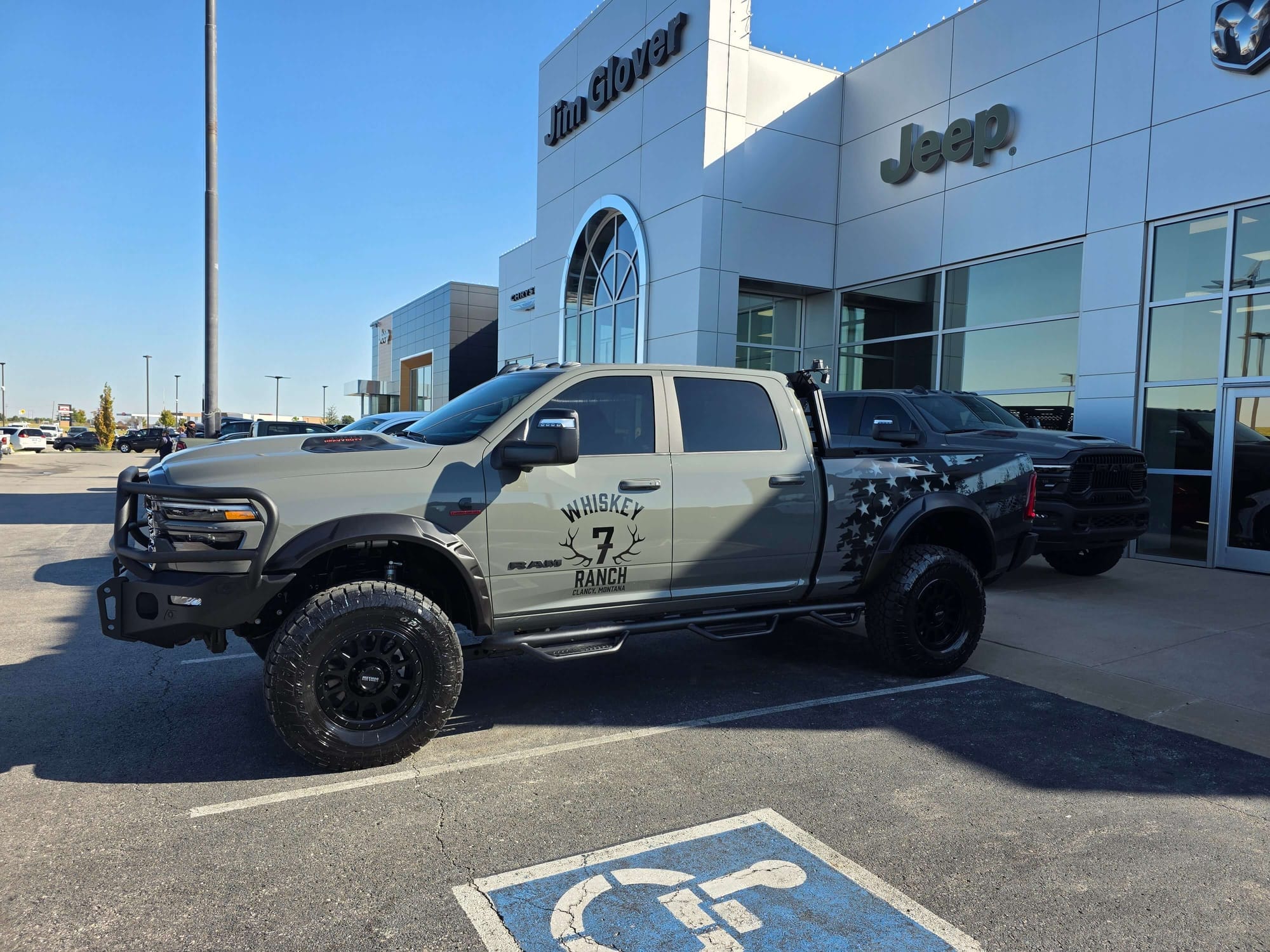
The ranch truck does not run a pole — the 2026 Ram 3500 we built last fall wears a Kryptonite Kustomz patriotic American flag wrap on the bedside and rear quarters, distressed stars up top, faded stripes flowing to the back, in the same ceramic gray as the rest of the body. Kryptonite laid it in Oklahoma over a weekend, and it has held up through the Montana winter, two hailstorms, and a few hundred miles of dirt roads without peeling or fading.
So, if you are going to fly a flag, we need to cover what the Flag Code actually says about everyday flying (4 U.S.C. Chapter 1, Sections 6 and 7), what the American Legion and the VFW say about doing it right, the gear I have tested, the etiquette that matters (half-staff, weather, lighting), and why the other 364 days of the year are worth every bit as much as the Fourth.
What the Flag Code Actually Says
The rules of the road are in 4 U.S.C. Chapter 1, the Federal Flag Code, originally passed in 1925 and updated a number of times since. Two sections matter most for everyday residential flying.
Section 6 — Time and occasions for display
Section 6(a) says the universal custom is to display the flag only from sunrise to sunset on buildings and on stationary flagstaffs in the open. It should not be displayed on days when the weather is inclement, except when an all-weather flag is used. Section 6(b) is the one most people miss: when a patriotic effect is desired, the flag may be displayed 24 hours a day if properly illuminated during the hours of darkness.
That is the legal basis for flying the flag every day. Sunrise to sunset is the default. Twenty-four hours a day is allowed if you light it properly after dark. That is it. There is no rule that says the flag comes down after the Fourth of July, or Memorial Day, or Flag Day, or any other day. The Flag Code is a list of things to do — when to fly, how to fly, how to retire the flag. It is not a calendar.
Section 7 — Position and manner of display
Section 7 is the longer one. It covers how the flag should be displayed relative to other flags (the U.S. flag gets its own pole or the position of honor when on the same pole), how it should be raised and lowered (always briskly, never ceremonially run up or down), and how it should never touch the ground beneath or beside the staff. Section 7(k) also covers half-staff, which we will get to in a few paragraphs.
The full text is on the Cornell Law website and the American Legion's flag page. Both are worth a bookmark. The American Legion also publishes a clean PDF of flag etiquette that I keep on the workbench in the shop.

The Gear I Have Tested (and What Lasted)
I am a gear guy. The reader who has been here a while knows that. I buy things twice on purpose — once to fail, once to actually keep. The flag hardware I have stuck with for years is in this list. Nothing here is sponsored. These are the brands and the exact products I went back to.
The Flags
For residential poles, I run Valley Forge U.S. nylon flags. Their 3x5 and 4x6 heavy-weight nylon has held up better than anything else I have tried. The 4x6 is what is on the ranch and Olympia homes right now. For a budget option that still gets the job done, the Annin Flagmakers Tough-Tex is a polyester alternative that handles wind and rain without bleeding color. For the heaviest-gauge premium option, the Eder Flags Endura-Line is the most weatherproof American-made flag I have tested.
The Telescoping Flagpole
I run a Service First Products telescoping 20-foot pole at the ranch in Montana and the same at our home in Washington. We recently added a 30-foot version at the new office. Telescoping is the right call for residential — no ropes to fuss with, no truck needed for install, comes down in 5 minutes if a storm is coming. The 20-foot version has survived 60 mph gusts without complaint, which is not nothing in this part of Montana.
Lighting for 24-Hour Display
Section 6(b) lets you fly 24 hours a day if you light the flag properly after dark. The cheapest way to do that for a residential pole is a solar-powered dusk-to-dawn flagpole light. I run one of the 600-lumen models on all 3 flag poles I have. It points down from the top of the pole and lights the flag from about 12 inches above. It is bright enough to read the flag at the road, dim enough that the neighbors have not complained.
Half-Staff Hardware
Lowering the flag to half-staff on a telescoping pole is easy. On a fixed halyard pole you need either a cleat or a half-staff clip — I keep a Valley Forge half-staff clip set in the shop drawer. They snap onto the truck of the halyard at the right height and hold the flag in position.
Modern Etiquette: Half-Staff, Weather, Lighting
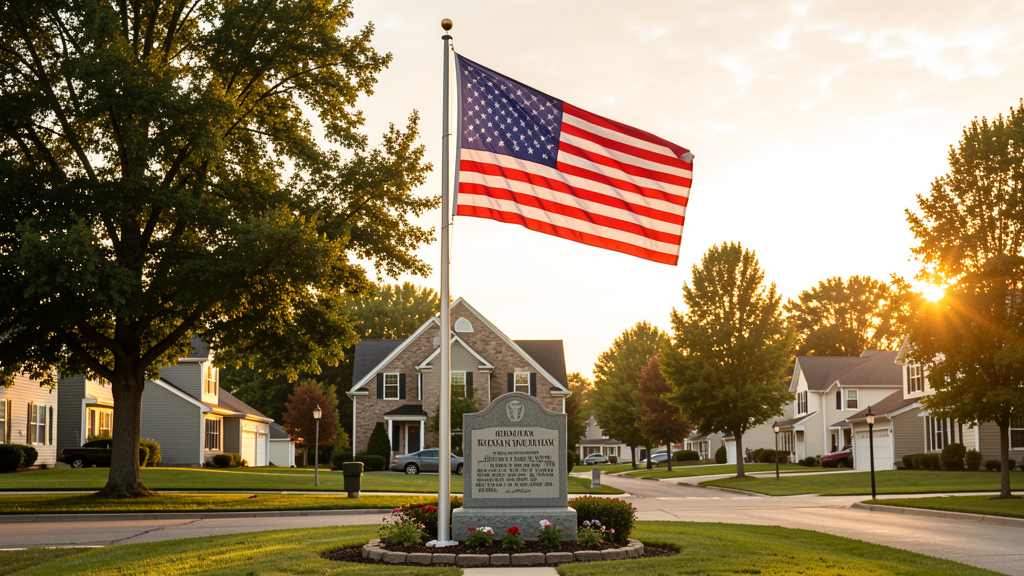
Three things matter beyond just putting the flag up.
Half-Staff Rules
The U.S. flag flies at half-staff when proclaimed by the President (for federal buildings) or the Governor (for state grounds), and traditionally on Memorial Day until noon, on Peace Officers Memorial Day, and on a handful of other dates. When you lower to half-staff, the right sequence is hoist briskly to the top first, then lower slowly to the half-staff position. When taking the flag down at the end of the day, hoist back to the top first, then lower. Skipping the up-first step is the single most common half-staff mistake. The U.S. Department of Veterans Affairs publishes the official half-staff calendar every year. I check it the first of each month.
Weather Rules
Section 6(a) says the flag should not be displayed on days when the weather is inclement, unless an all-weather flag is used. All-weather in this context means nylon or polyester. The cheap cotton flags I used to buy would shred themselves in a stiff breeze and bleed red onto the porch in the rain. Modern nylon is made for this. I leave the ranch flag up in anything short of a named storm or sustained 50+ mph winds. When a storm is coming, the telescoping pole comes down in about 5 minutes.
Lighting Rules
If you fly the flag at night, light it. The accepted standard is enough light to recognize the flag's colors from a reasonable distance. The solar-powered flagpole lights I run put out about 600 lumens aimed up the pole, which is more than enough for a 3x5 or 4x6 flag. If you have a porch light that already shines on the flag, that counts. Section 6(b) is a permission slip to fly 24/7, not an excuse to fly an unlit flag in the dark.

What the Veterans Organizations Say
Two organizations I look to on this are the American Legion and the Veterans of Foreign Wars. Both have public flag etiquette pages that mirror the Federal Flag Code and add practical guidance from decades of post-and-cemetery flag work. Neither organization says the flag should come down after the Fourth of July. Both would tell you the opposite.
The American Legion's flag page puts it cleanly: the Flag Code states the flag is customarily displayed from sunrise to sunset, but it may be flown 24 hours a day if it is properly illuminated at night. That is the only rule that governs everyday display. The VFW's flag etiquette page makes the same point in different words — there is no rule that the flag comes down except when it is so worn it is no longer a fitting emblem of display, at which point it should be retired, preferably in a Boy Scouts of America flag retirement ceremony.
I think a lot about the men and women who served under that flag. I have spent time at National Cemetery Administration sites and I will tell you, a flag that is flown every day, and retired properly when it is worn out, is a more honest tribute than a flag that comes out twice a year and gets stored in a closet the rest of the time.

The Fourth of July Test
Here is the test. If you only fly the flag on the Fourth of July, you are saying the flag is a one-day decoration. If you fly it every day, you are saying it is something else — a daily reminder of the country you live in, the people who built it, the people who have defended it, and the everyday work that keeps it going. Both are honest positions. Mine is the second one.
The Fourth of July is still the big show. We grill, we light off the legal stuff, the boys come over with the dogs, and the flag is right there the whole time. But the work of being an American is not a one-day event. It is the Tuesday in February when the wind is 40 mph and the ranch flag is still snapping. It is the rainy morning when you remember to bring it in. It is the night you remember to retire the old one and put up the new one. That is the kind of everyday attention that, I think, makes the big day mean what it is supposed to mean.
Bottom Line
If you have been on the fence about flying the flag every day, here is the short version. The Flag Code lets you. The American Legion and the VFW both endorse it. The gear is cheap, the etiquette is learnable, and the work is small. Two nylon flags, a telescoping pole, a solar light, and the habit of checking the half-staff calendar once a month. That is about it.
If you want to read the rules straight from the source, the Federal Flag Code is on the Cornell Law website. If you want a local ceremony for retiring a worn flag, your nearest Boy Scouts of America troop will usually run one twice a year. And if you want to drop by a post and shake a hand, every American Legion post and VFW post in the country is open to veterans, family, and the civilians who want to support them.
Old Glory, four locations, every day of the year. It is one of the cheapest things I do as a citizen and one of the ones I am most proud of. As of the morning I am writing this, all four are flying. The date is not the Fourth of July.
If you enjoy posts like this, you might like the writeup of our Transamerica Trail trip in the Subaru Crosstrek — same flavor of everyday American adventure, just with a lot more miles. Or the Overland Expo PNW 2026 coverage from Redmond if you want to see the kind of flag setup the show rigs run. And if you want more ham radio talk (the Old Miss Net runs every evening and I check in most nights), the Adventure Mobile HF Guide is right here.
Be safe out there. Fly the flag.
About the Author
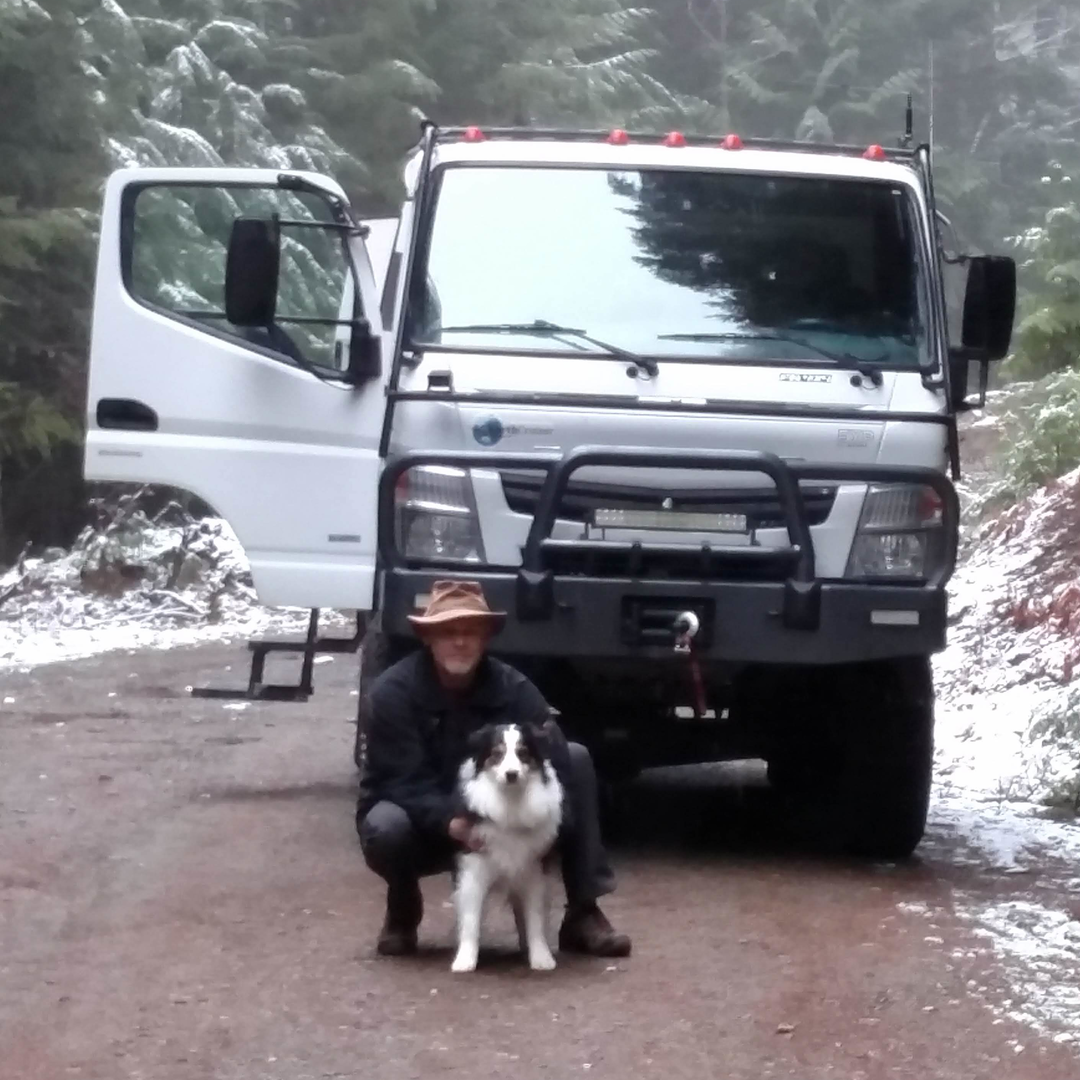
Brent Conklin (W7BR)
Owner of Whiskey7backroads. Ham Radio extra class operator, frequent the Old Miss Net most evenings. I have been married 37 years to Cheryl — we have two boys, two dogs, and a ranch in Montana where the flags are up before coffee every morning of the year. This is the post I have wanted to write for about a decade, and the Flag Code finally gave me a reason to sit down and do it properly.